Wangala - The Harvest Festival Songs of the Langi
Description
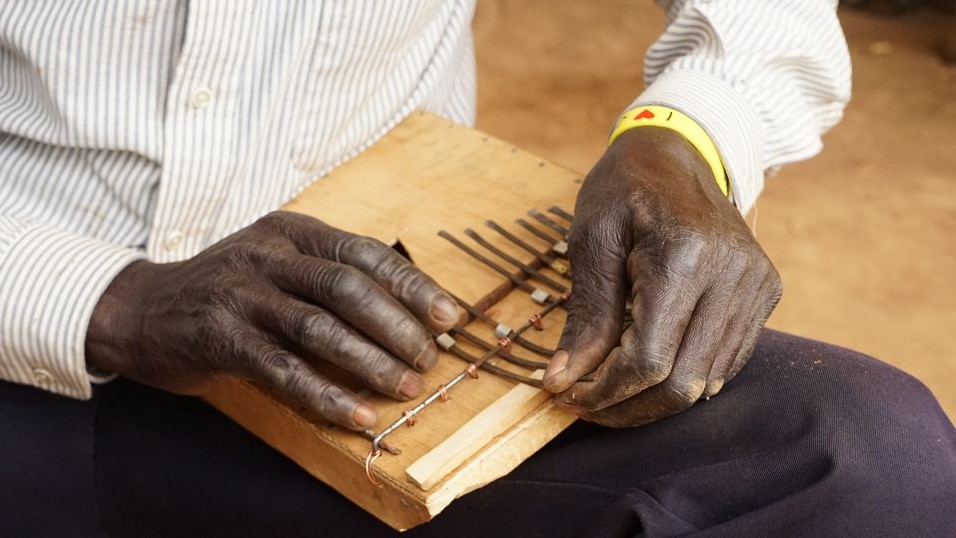
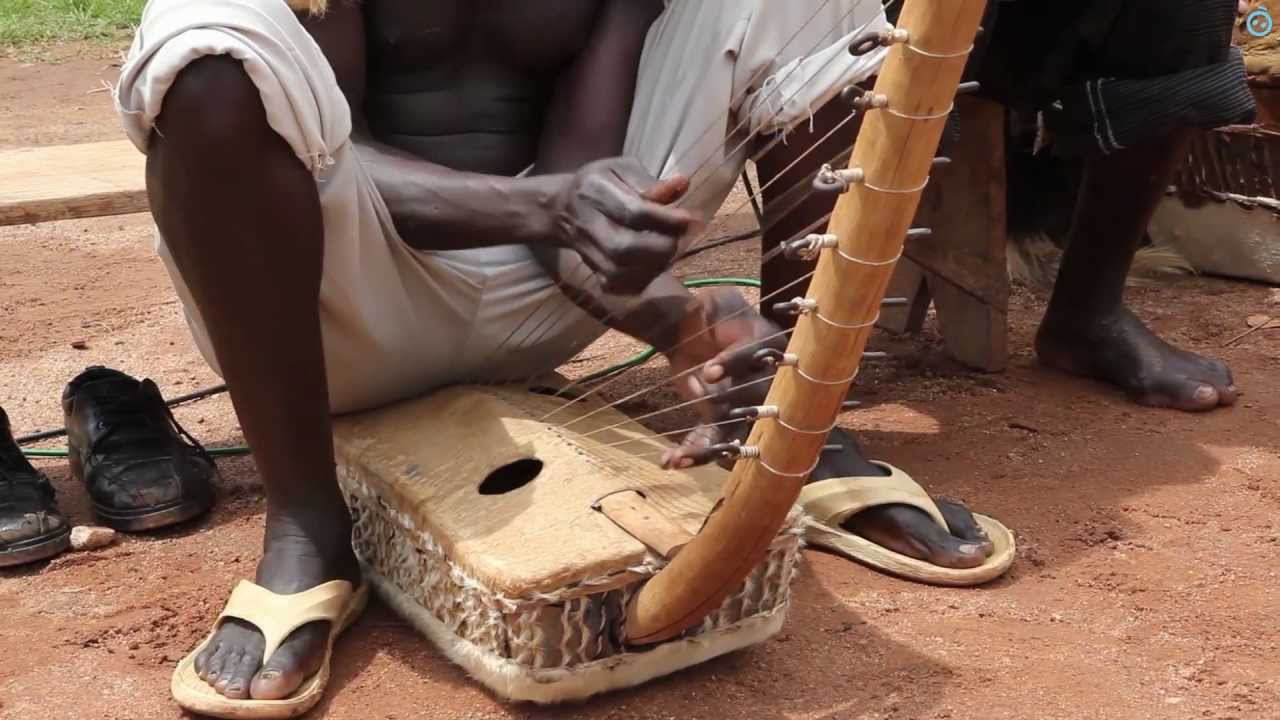
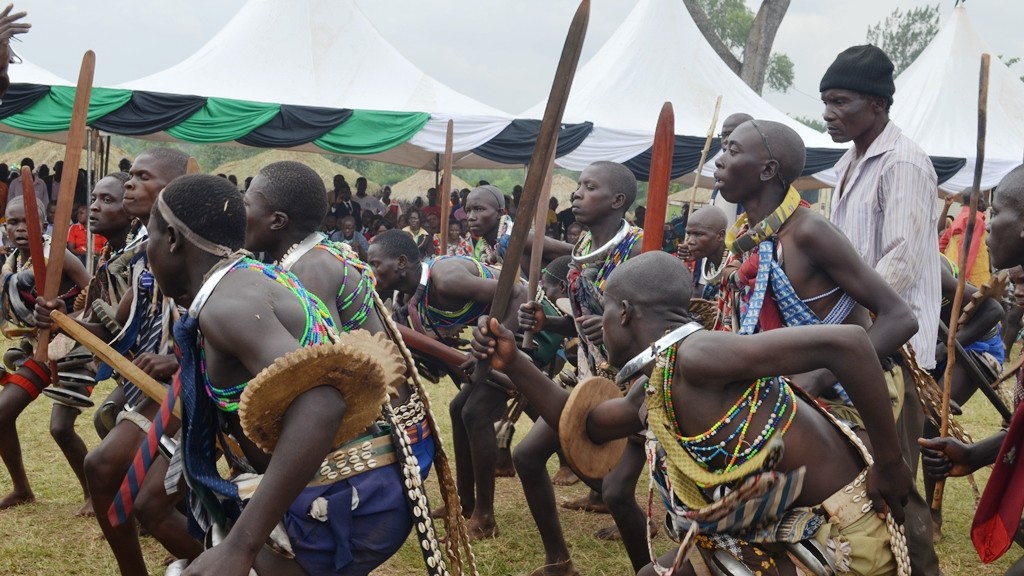
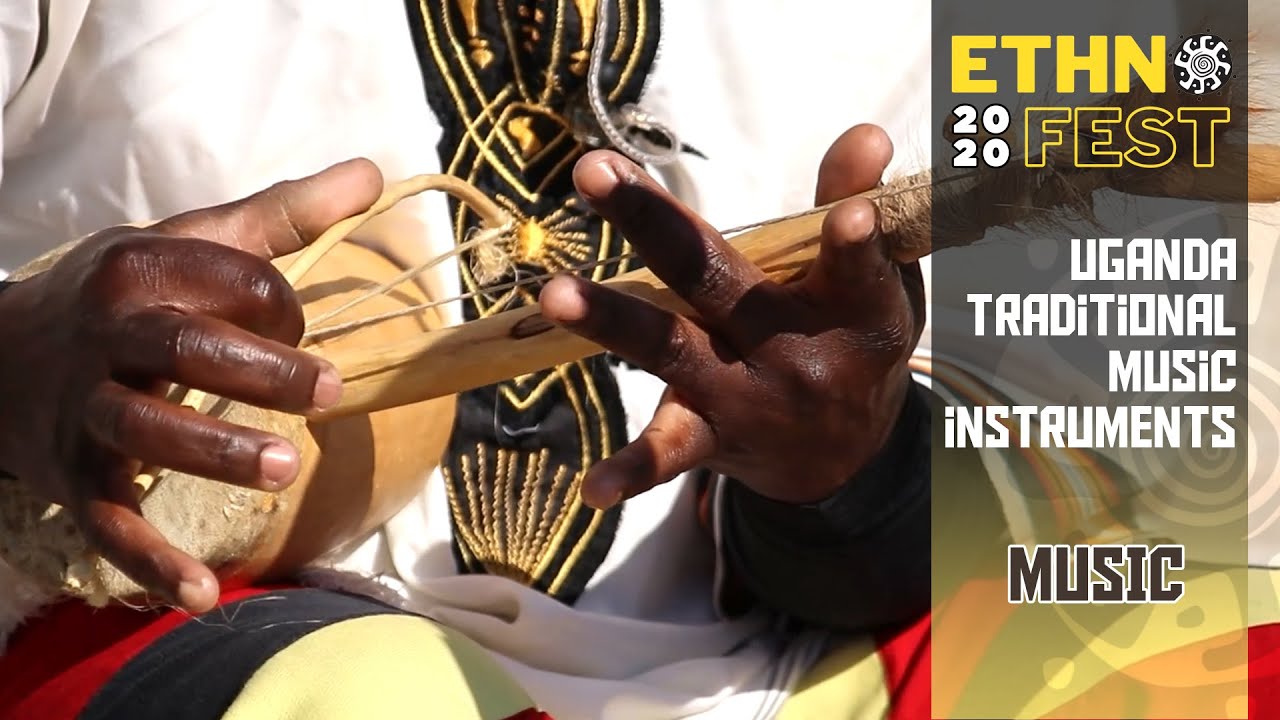
Wangala songs are performed during the traditional harvest festival of the Langi people of Northern Uganda. These songs celebrate agricultural abundance, thank the ancestors for good rains, and reinforce community bonds through collective music-making. The musical arrangements feature the traditional ajaa harp, the bul drum, and communal singing.
Historical Background
The Langi people, who inhabit the Lango sub-region of Northern Uganda, have a deeply agricultural society with traditions closely tied to the farming calendar. The Wangala harvest festival has been observed for centuries and serves as both a thanksgiving ceremony and a time for community reconciliation. During the period of conflict in northern Uganda, many of these traditions were disrupted, but cultural leaders and organizations like the Lango Cultural Foundation have worked tirelessly to revive and document these practices.
Story Summary
This recording captures the musical performances from the 2023 Wangala Festival held in Lira District. The collection includes harvest thanksgiving songs, rain-calling chants, and communal work songs that traditionally accompanied group farming activities. Lead musician Engola Peter plays the ajaa harp, accompanied by a chorus of community members spanning three generations.
Cast & Performers
Engola Peter (Ajaa Harp Player and Lead Singer), Adong Mary (Women's Song Leader), Lira District Cultural Association Choir (30 members), Okwir Samuel (Bul Drummer)
Transcript
The recording opens with the gentle plucking of the ajaa harp by Engola Peter. The instrument, made from a hollowed gourd with seven strings, produces a resonant, warm tone that immediately establishes the pastoral atmosphere of the harvest celebration. Engola begins singing the opening harvest song, "Acoli Pii" (The Rains Have Come), his voice weathered and authentic. The song thanks Jok (the supreme deity in Lango cosmology) for sending the rains that nurtured the crops. Adong Mary leads the women's response, her clear soprano carrying the communal gratitude of the farming community. The second piece is a work song traditionally sung during the communal millet harvest. The rhythm is driving and steady, designed to synchronize the movements of workers in the field. Okwir Samuel's bul drum provides the pulse, and the choir responds with vigor, their voices creating a texture of sound that evokes the energy and camaraderie of collective farming. The final song is a reflective evening piece, sung as the community gathers after the harvest work is complete. The ajaa harp leads a gentle melody, and the singing is softer, more contemplative. The lyrics honor the ancestors who first cultivated the land and express hope for continued prosperity.
Audio Recording
Audio may not be available for all records.
Video Recording
Video may not be available for all records.