Adungu Ensemble - Traditional Harp Music of the Alur
Description
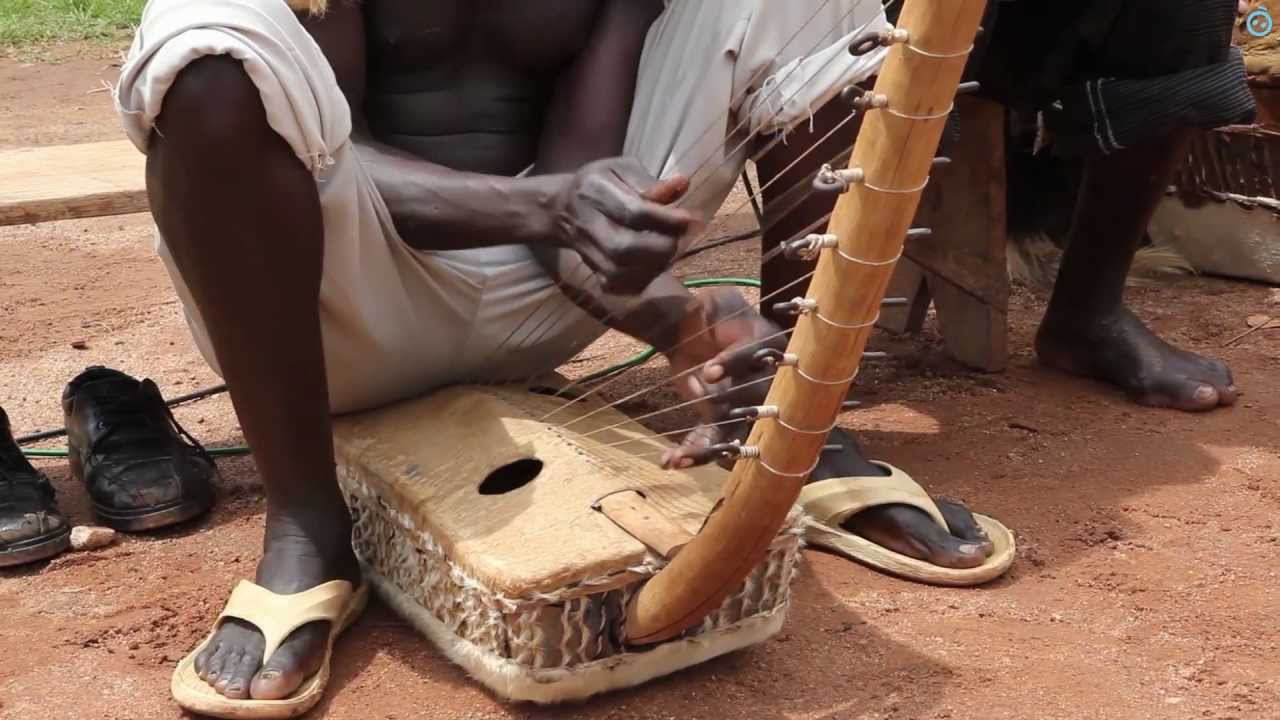
The adungu is an arched bow harp traditionally played by the Alur people of the West Nile region of Northern Uganda. This recording features an ensemble of five adungu players performing traditional compositions that have been part of Alur cultural life for centuries. The adungu produces a warm, resonant tone and is one of the most recognizable traditional instruments of Uganda.
Historical Background
The Alur people inhabit the West Nile region of Uganda and parts of northeastern Democratic Republic of Congo. Their musical tradition centers on the adungu harp, a nine-stringed instrument made from a curved branch with a sound box made from a hollowed-out gourd. The instrument has gained international recognition and has been incorporated into contemporary Ugandan music. The Alur kingdom, one of the traditional monarchies of Uganda, has maintained court musicians who specialize in adungu performance for generations.
Story Summary
This recording captures a performance by the Nebbi Adungu Masters, a group of five veteran musicians who have dedicated their lives to preserving and teaching the art of adungu playing. The performance includes solo pieces, ensemble arrangements, and vocal accompaniments that showcase the full range of the instrument's capabilities.
Cast & Performers
Nyapiny Jason (Lead Adungu Player), Cula Richard (Second Adungu), Parach Alice (Third Adungu and Vocalist), Jawara Moses (Fourth Adungu), Odaga Simon (Fifth Adungu), The Nebbi Adungu Masters
Transcript
The performance opens with a solo by Nyapiny Jason, widely regarded as one of the finest living adungu players. His fingers dance across the nine strings of his instrument, producing a cascading series of notes that evoke the flowing waters of the Albert Nile that runs through Alur territory. The solo piece, titled "Ker Pa Alur" (The Kingdom of the Alur), is a composed meditation on the history and landscape of the Alur homeland. The melody moves between contemplative passages and livelier sections, demonstrating the remarkable range of expression possible with the nine-stringed harp. As the second piece begins, all five adungu players join in. The ensemble creates a rich tapestry of interlocking melodic and rhythmic patterns, each player contributing a distinct voice to the collective sound. Parach Alice adds her voice to the ensemble, singing a traditional love song in Dhu Alur. Her voice interweaves with the harp melodies, creating a texture of sound that is both ancient and timelessly beautiful. The final piece is a dance composition, played at a faster tempo with rhythmic complexity that demonstrates the technical mastery of the ensemble. The five harps create polyrhythmic patterns that overlap and complement each other, building to a jubilant climax that leaves the audience in appreciative applause.
Audio Recording
Audio may not be available for all records.
Video Recording
Video may not be available for all records.