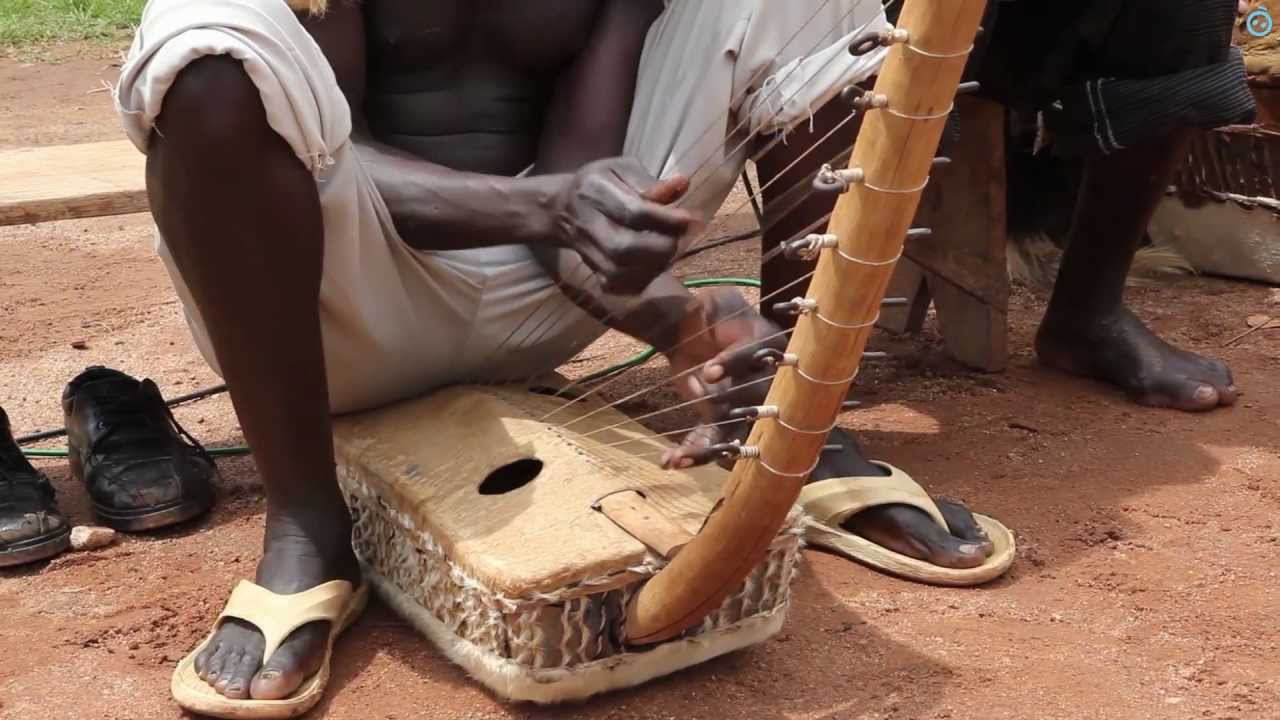
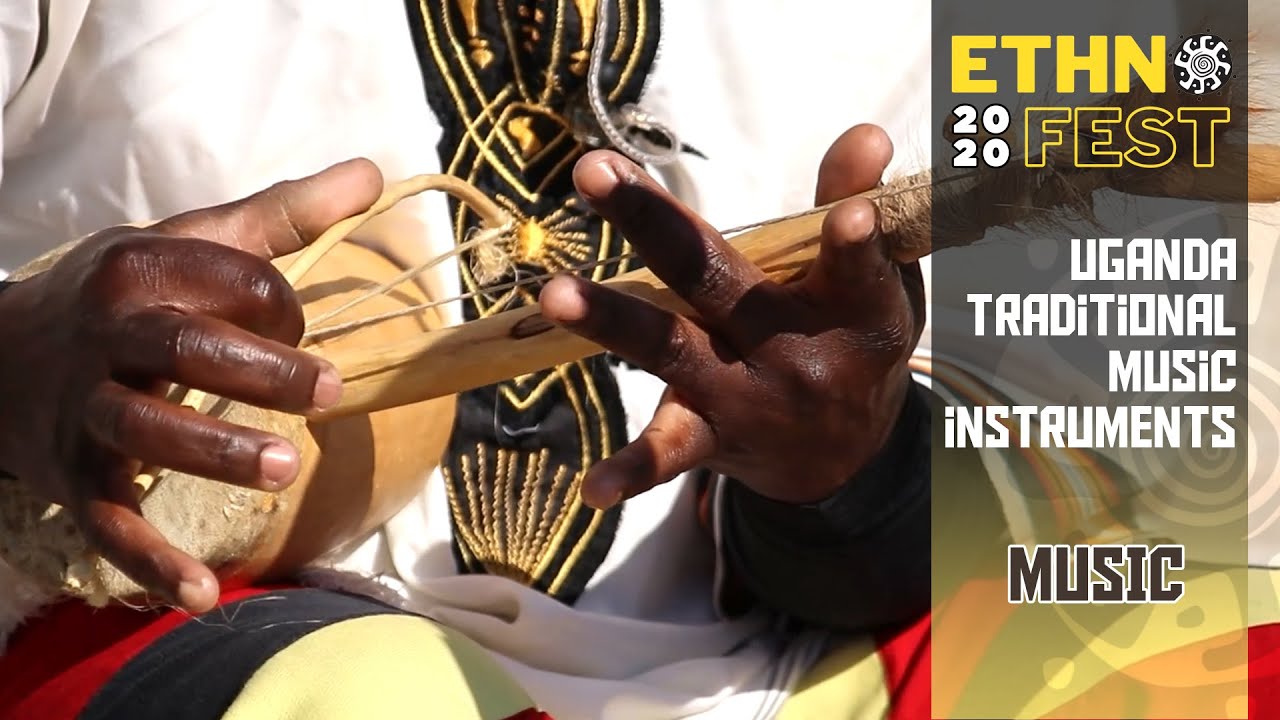
Akogo - The Thumb Piano Traditions of the Iteso
Description
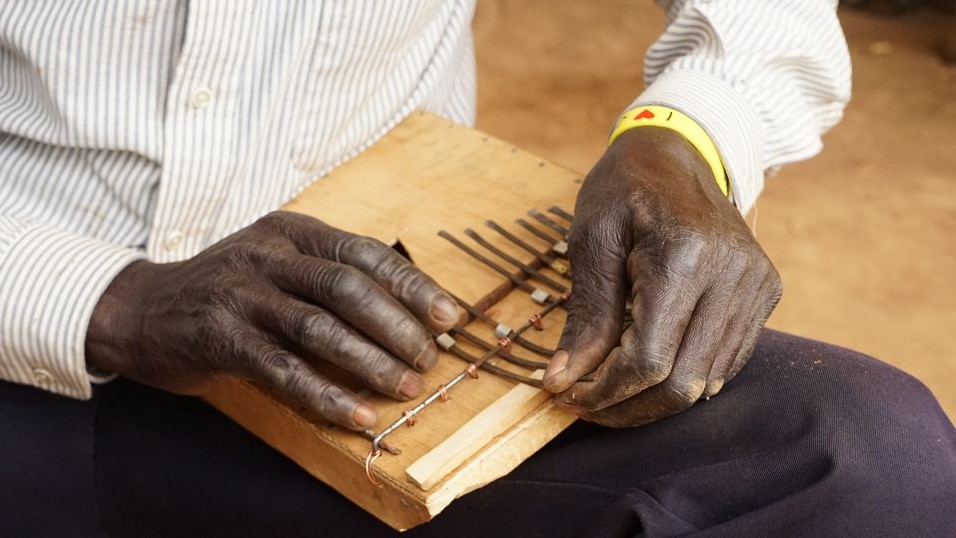
The akogo (thumb piano or mbira) is a central instrument in Iteso musical tradition. This recording features master akogo player Emolot Charles performing traditional Iteso compositions that accompany storytelling sessions, work activities, and social gatherings in Teso sub-region.
Historical Background
The Iteso are the second-largest ethnic group in Uganda, inhabiting the northeastern region known as Teso. The akogo, a lamellaphone with metal tines mounted on a wooden resonator, has been the signature instrument of Iteso culture for generations. During the cattle rustling crisis and insurgency that affected the Teso region in the 1980s and 1990s, many cultural traditions including akogo playing were disrupted. The post-conflict cultural revival has seen renewed interest in documenting and teaching this instrument to younger generations.
Story Summary
Master musician Emolot Charles performs a selection of traditional akogo compositions, each accompanied by explanations of their cultural context. The pieces range from lullabies to work songs to ceremonial music, demonstrating the versatility of this small but expressive instrument.
Cast & Performers
Emolot Charles (Master Akogo Player), Apio Grace (Vocalist), Okiror Simon (Narrator and Cultural Historian), Soroti Cultural Heritage Initiative
Transcript
Emolot Charles holds the small wooden instrument in his weathered hands, positioning his thumbs over the metal tines with the ease of decades of practice. He begins with a lullaby, "Aijuk Ijo" (Sleep Child), a gentle melody that mothers across Teso have sung to their children for generations. The akogo's soft, bell-like tones fill the recording space with warmth. Apio Grace hums along softly, her voice adding a tender dimension to the simple melody. Okiror Simon explains: "This lullaby is usually the first music a Teso child hears. The mother plays the akogo while the child lies on her back. The vibrations of the instrument against the mother's body soothe the baby to sleep." The second piece is a work song, faster and more rhythmic, designed to accompany the pounding of millet. The akogo's metallic tines produce a driving rhythm that would have synchronized the movements of women working together at the grinding stone. "Music and work were never separate in traditional Teso life," Okiror notes. "Every activity had its song, and many had their own akogo patterns." Emolot's final piece is a ceremonial composition played during the edonga (gathering of elders). The music is more complex, with overlapping melodic lines and rhythmic patterns that demonstrate the technical sophistication possible with this deceptively simple instrument. His thumbs move with remarkable speed and precision, producing cascading runs and intricate harmonies that showcase why the akogo is considered the most personal and expressive of Iteso instruments.
Audio Recording
Audio may not be available for all records.
Video Recording
Video may not be available for all records.