Lakubukubu - War Dance of the Acholi Warriors
Description
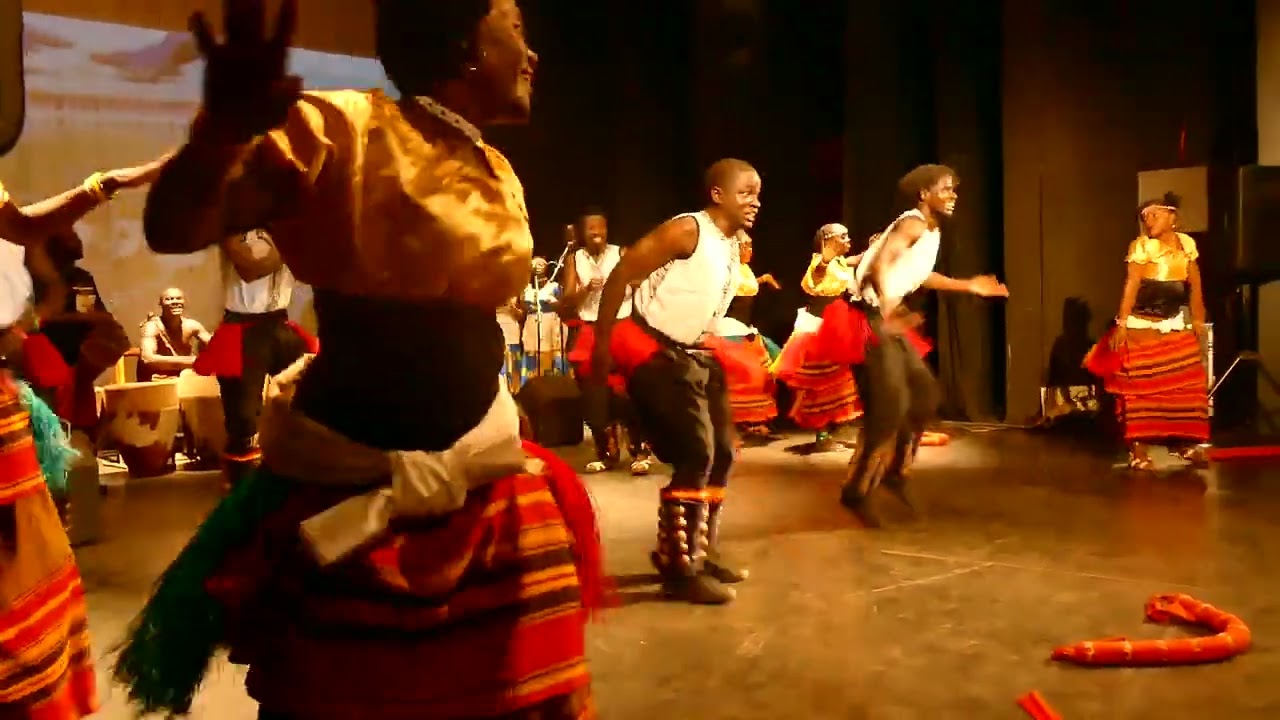
Lakubukubu is a vigorous war dance of the Acholi people of Northern Uganda. Historically performed before and after battles, this dance combines aggressive stamping movements, shield displays, and call-and-response chanting. The dance serves as both a morale booster for warriors and a display of strength and unity for the community.
Historical Background
The Acholi people have inhabited northern Uganda for centuries, with their society organized around chiefdoms led by Rwodi (chiefs). The Lakubukubu dance evolved as part of the warrior tradition, performed to invoke the spirits of ancestors for protection in battle. During the colonial period, the British recruited many Acholi men into the King's African Rifles, and the dance was sometimes performed in military contexts. After decades of conflict in northern Uganda, including the Lord's Resistance Army insurgency, cultural leaders have worked to revive Lakubukubu as a symbol of peace and cultural resilience rather than warfare.
Story Summary
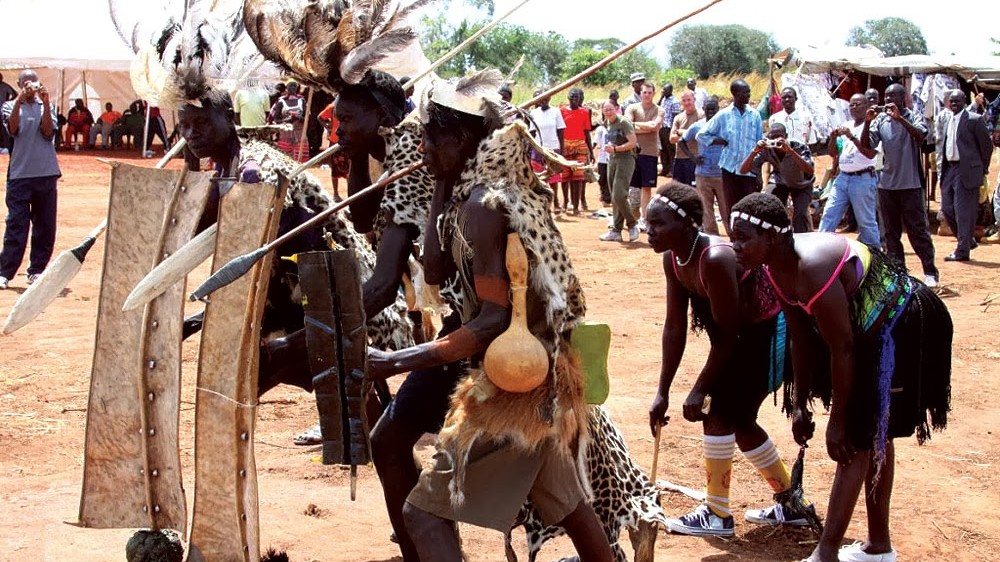
This recording features the Gulu Heritage Dance Ensemble performing Lakubukubu at the annual Acholi Cultural Gala. The performance includes the traditional pre-battle invocation, the war formation dance, and the victory celebration. Chief dancer Okello Labalpiny leads a troupe of 20 male dancers equipped with traditional shields and spears, demonstrating the intricate footwork and coordinated movements that made the Acholi warriors renowned.
Cast & Performers
Okello Labalpiny (Chief Dancer), Patrick Onen (Lead Drummer), The Gulu Heritage Dance Ensemble (20 dancers), Auma Catherine (War Chant Leader)
Transcript
The performance begins with a single drum beat, slow and deliberate like a heartbeat. Patrick Onen stands at the center, his hands positioned over the bul drum, building the rhythm gradually. The dancers enter from both sides, their feet striking the ground in unison, sending clouds of dust into the air. Okello Labalpiny leads the formation, his body adorned with traditional Acholi warrior decorations: a headdress of ostrich feathers, animal skin garments, and body paint in ochre and white. He carries a shield made of buffalo hide and a wooden spear. His movements are sharp and explosive, each gesture conveying the power and discipline of Acholi martial tradition. Auma Catherine begins the war chant, her voice carrying across the performance ground. The chant tells of the bravery of past warriors, invoking the spirit of the legendary Acholi chief Rwot Ongom. The dancers respond in unison, their voices deep and resonant, creating a wall of sound that is both intimidating and deeply moving. The dance transitions into the victory celebration, where the aggressive movements give way to joyful leaping and spinning. The drums quicken, the chanting becomes celebratory, and the audience is drawn into the performance, clapping and ululating in the traditional manner of expressing approval and joy.
Audio Recording
Audio may not be available for all records.
Video Recording
Video may not be available for all records.