Ekitaguriro kya Runyege - The Courtship Dance of the Banyoro
Description
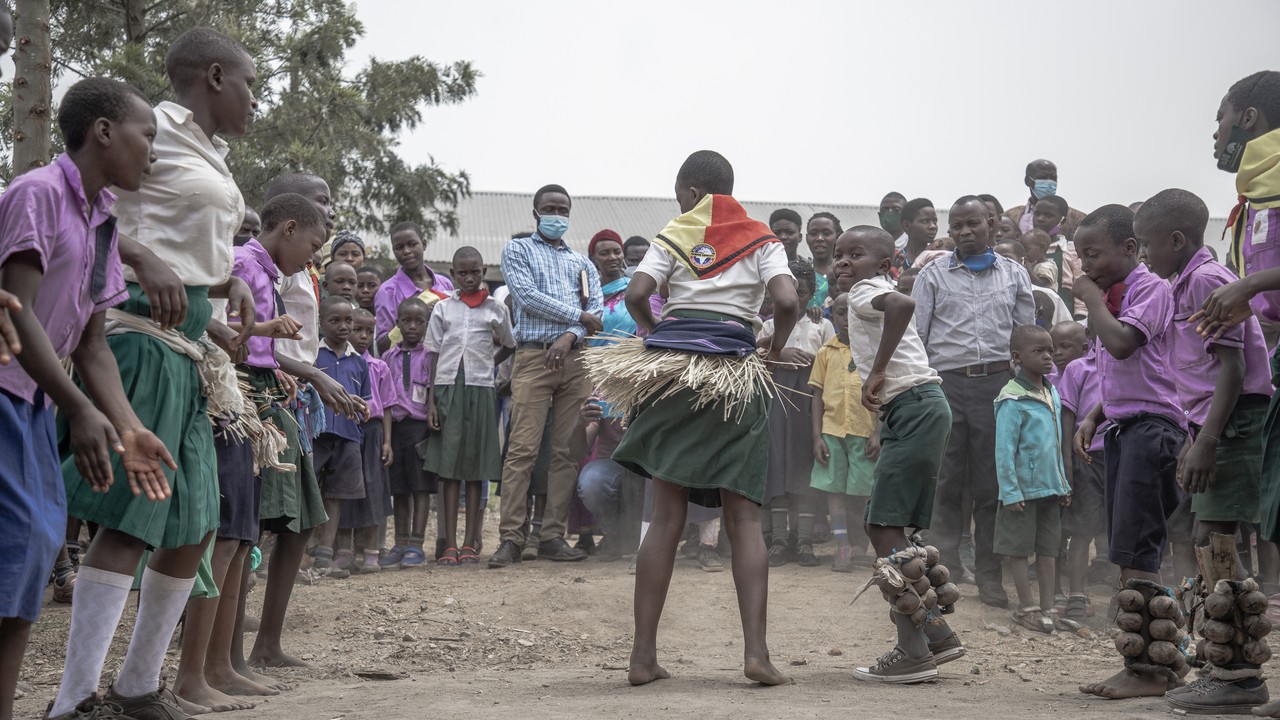
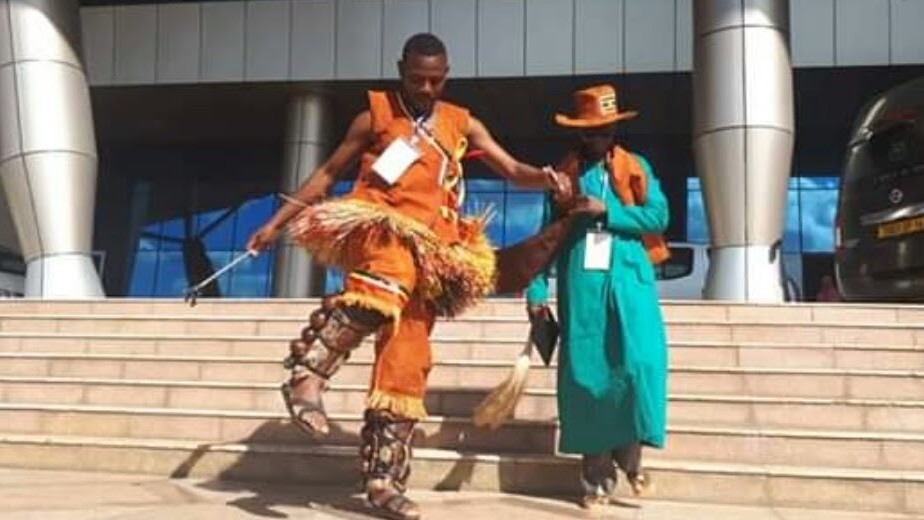
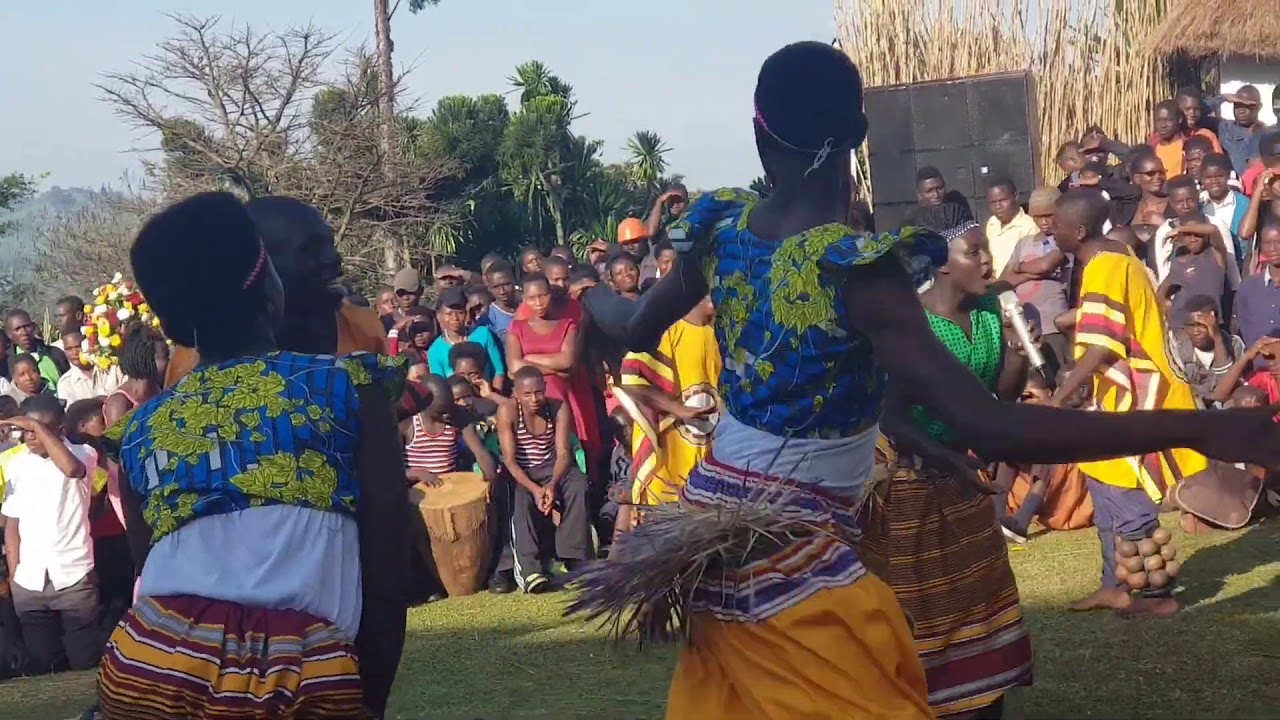
Runyege is a vibrant courtship dance of the Banyoro people of Western Uganda. Performed during celebrations and marriage negotiations, the dance features dynamic hip movements, intricate footwork, and the distinctive sounds of ebinyege (ankle rattles made from dried cocoons) that give the dance its name.
Historical Background
The Bunyoro-Kitara Kingdom is one of the oldest and most historically significant kingdoms in East Africa, tracing its origins to the legendary Bachwezi dynasty. The Runyege dance has been a central feature of Banyoro social life, particularly in courtship and marriage celebrations. During the reign of Omukama Kabalega in the late 19th century, the dance reached its most elaborate form, with court dancers competing for royal recognition. The dance nearly disappeared during the political upheavals of the Obote and Amin eras but has been revived through the efforts of cultural organizations.
Story Summary
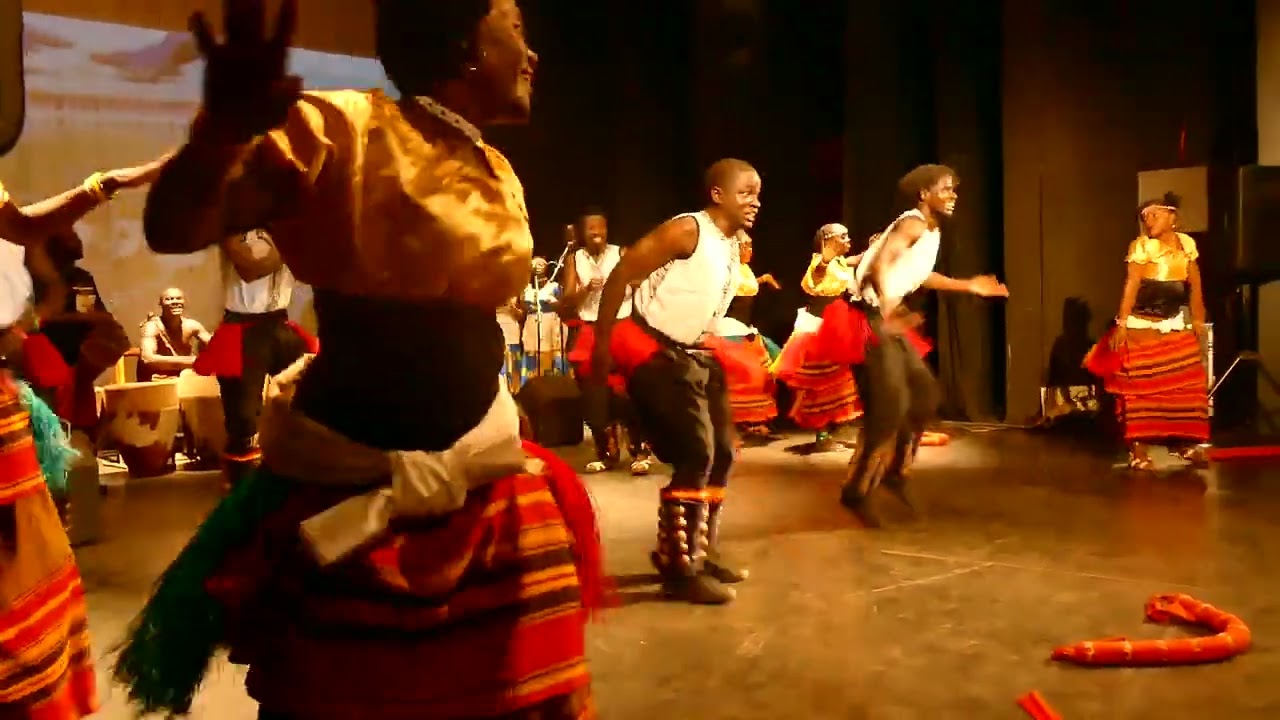
This recording captures a Runyege performance at a traditional wedding ceremony in Masindi District. The performance shows the traditional courtship sequence where young men and women use dance as a form of romantic communication, with the rhythmic patterns of their ankle rattles creating a dialogue between potential partners.
Cast & Performers
Byaruhanga Paul (Lead Male Dancer), Kaahwa Esther (Lead Female Dancer), Masindi Royal Cultural Troupe (16 dancers), Rwabwogo Michael (Head Drummer)
Transcript
The wedding compound is alive with anticipation as the Masindi Royal Cultural Troupe prepares for the Runyege performance. Rwabwogo Michael tests his engoma drums, adjusting the tension of the animal skin heads to achieve the precise pitch required for the dance. The male dancers enter first, led by Byaruhanga Paul. Each wears traditional bark cloth garments and multiple strands of ebinyege ankle rattles. Their initial movements are bold and assertive, establishing their presence through powerful stamps that send the rattles into a frenzy of sound. The footwork is intricate and technically demanding, requiring precise control of each ankle to produce the desired rhythmic patterns. Kaahwa Esther leads the female dancers into the performance space. Their movements are a deliberate contrast to the men's - graceful, controlled, and seductive in the traditional sense. The women's ebinyege produce a lighter, more melodic sound, and their hip movements create visual patterns that complement the sonic texture. The courtship dialogue begins as male and female dancers pair off. Through their footwork and body movements, each pair engages in a conversation of movement and sound. The men display their strength and rhythm; the women respond with grace and technical skill. The drums build in intensity, and the dance reaches its climax with all dancers performing in synchronized unity, the combined sound of their ankle rattles creating a wall of rhythmic sound that is both exhilarating and deeply connected to the spiritual traditions of the Banyoro people.
Audio Recording
Audio may not be available for all records.
Video Recording
Video may not be available for all records.