Empaako - The Naming Ceremony Traditions of the Batooro and Banyoro
Description
Empaako is the unique pet name system shared by the Batooro, Banyoro, and Batuku peoples of Western Uganda. This oral history recording documents the tradition of bestowing one of twelve sacred praise names (empaako) upon children, a practice that UNESCO inscribed on the List of Intangible Cultural Heritage in Need of Urgent Safeguarding in 2013.
Historical Background
The Empaako naming tradition is believed to have originated in the ancient Bachwezi dynasty, the legendary rulers of the Kitara Empire that once dominated much of the Great Lakes region. The twelve empaako names - Abbala, Abbooki, Adyeeri, Aheebwa, Akiiki, Amooti, Apuuli, Araali, Ateenyi, Atwooki, Bbala, and Okaali - each carry specific meanings and are shared across clan and ethnic boundaries. The tradition promotes social cohesion and peaceful coexistence, as people sharing the same empaako consider themselves related regardless of their clan or tribe.
Story Summary
This recording features Nyakairima Grace, a cultural elder and expert on the Empaako tradition, providing a comprehensive oral history of the naming system. She explains the significance of each of the twelve names, describes the traditional naming ceremony, and discusses the spiritual and social dimensions of the practice. The recording also includes a live demonstration of a naming ceremony for a newborn child.
Cast & Performers
Nyakairima Grace (Cultural Elder and Narrator), Tibemanya Charles (Ceremony Officiant), Akiiki Jonathan (Traditional Herbalist), Community members from Hoima Town
Transcript
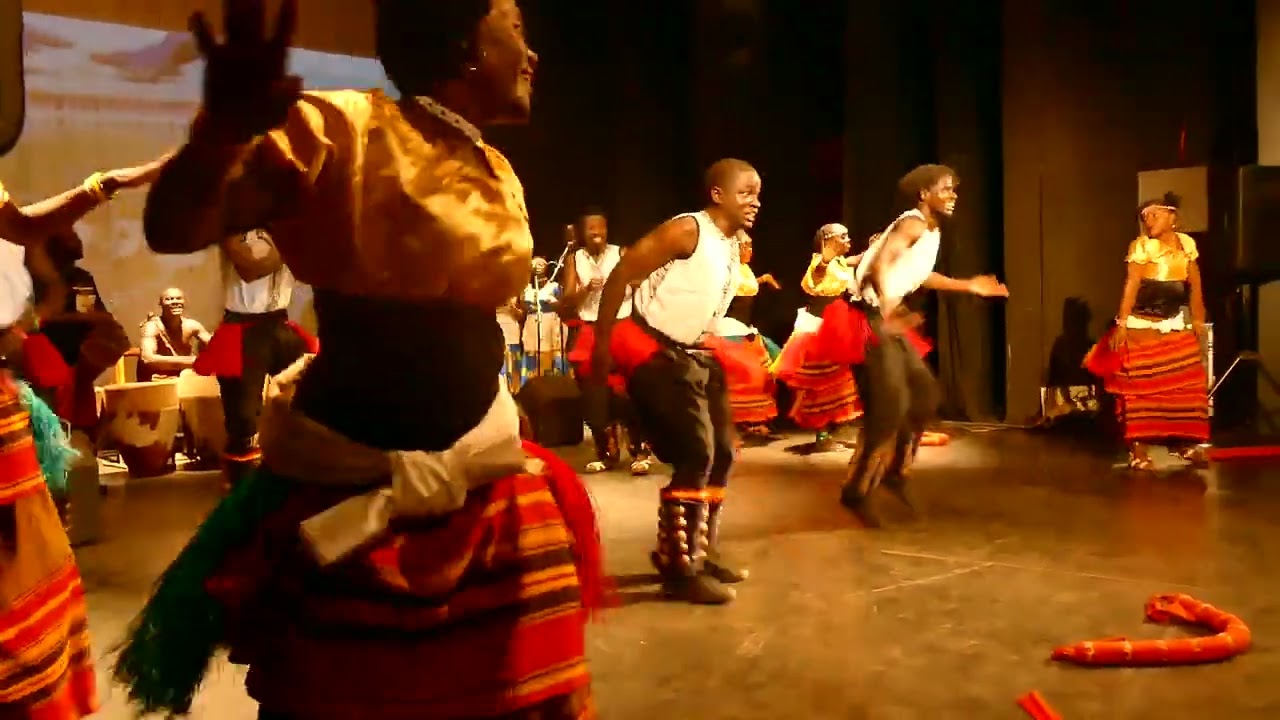
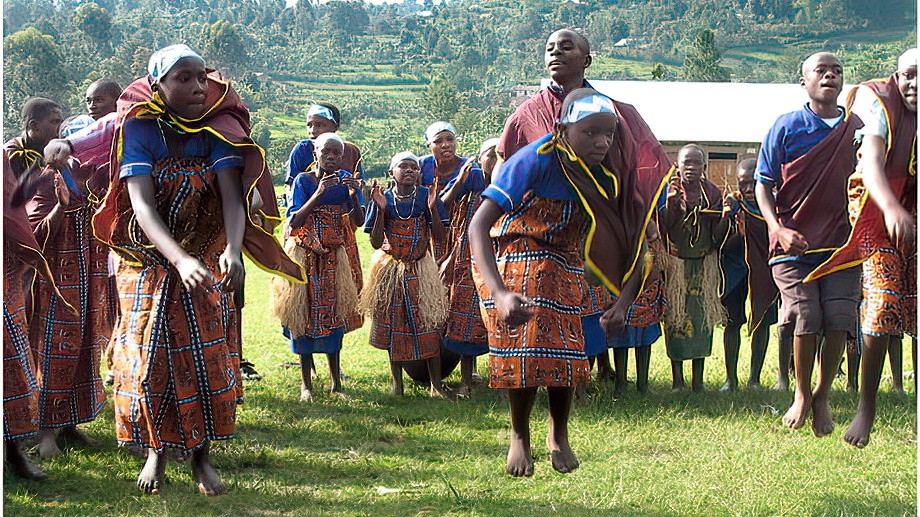
Nyakairima Grace speaks with the measured authority of decades of cultural knowledge. She begins by explaining the origin of the Empaako tradition. "The Empaako names came to us from the Bachwezi, those mysterious people who ruled these lands before the coming of the Babito dynasty. When you call someone by their empaako, you are not just using a name - you are invoking a bond that is deeper than blood. Two people who share the empaako Adyeeri, for example, consider themselves siblings, even if they come from different clans, different kingdoms, different languages." She proceeds to describe each of the twelve names, providing their meanings and the qualities they are believed to bestow upon the bearer. "Amooti means 'one who is handsome or beautiful,' and children given this empaako are believed to grow into people of grace and elegance. Akiiki means 'one who saves' and was traditionally given to children born after a difficult pregnancy or during a time of hardship." The recording transitions to the live naming ceremony. Tibemanya Charles, the ceremony officiant, performs the traditional rites. The infant is presented, and after consultation with the family and the traditional herbalist Akiiki Jonathan, the empaako Araali is chosen. The officiant speaks the sacred words, the infant is anointed with traditional herbs, and the community celebrates with song and dance. Nyakairima narrates throughout, providing context and explanation for each step of the ceremony.
Audio Recording
Audio may not be available for all records.
Video Recording
Video may not be available for all records.